

If your business depends on diesel-powered vehicles or equipment, choosing the right type of commercial fuel isn’t just a routine decision—it affects your operating costs, efficiency, and regulatory compliance. There are two types of commercial diesel available: on-road and off-road. One is less expensive than the other—but that doesn’t mean it’s always the right choice.
Understanding the difference will help you fuel your fleet properly, avoid penalties, and make smarter decisions for your operation.
Chemically, and from a performance standpoint, on-road and off-road diesel are essentially the same fuel. Engines run the same way, and there’s no difference in power or efficiency. The difference comes down to where the fuel is used—and how it’s taxed.
On-road diesel is used in vehicles that travel on public roads and highways. Because these vehicles contribute to road wear and infrastructure use, this fuel is taxed. It’s clear in color and widely available at retail fueling stations.
Off-road diesel is intended strictly for equipment that operates on private property or job sites—such as construction machinery, agricultural equipment, and certain generators. Since these machines don’t use public roadways, the fuel is not taxed, which makes it less expensive. To identify it as untaxed fuel, it’s dyed red.
Using red-dyed diesel in a vehicle that operates on public roads is illegal and can result in hefty fines.
Some types of businesses might find they can and should be using both types of fuel. The important thing is to know what fuel to use. The answer usually comes from two main questions:
On-road diesel vehicles include:
Off-road diesel is mainly used in:
If your operation uses a mix of both, you will need separate fuel storage and tracking to stay compliant.
Managing fuel for a business isn’t just about filling tanks—it’s about ensuring compliance, controlling costs, and keeping operations running without interruption. Bulk delivery, on-site fueling, and usage monitoring can help streamline operations and reduce downtime.
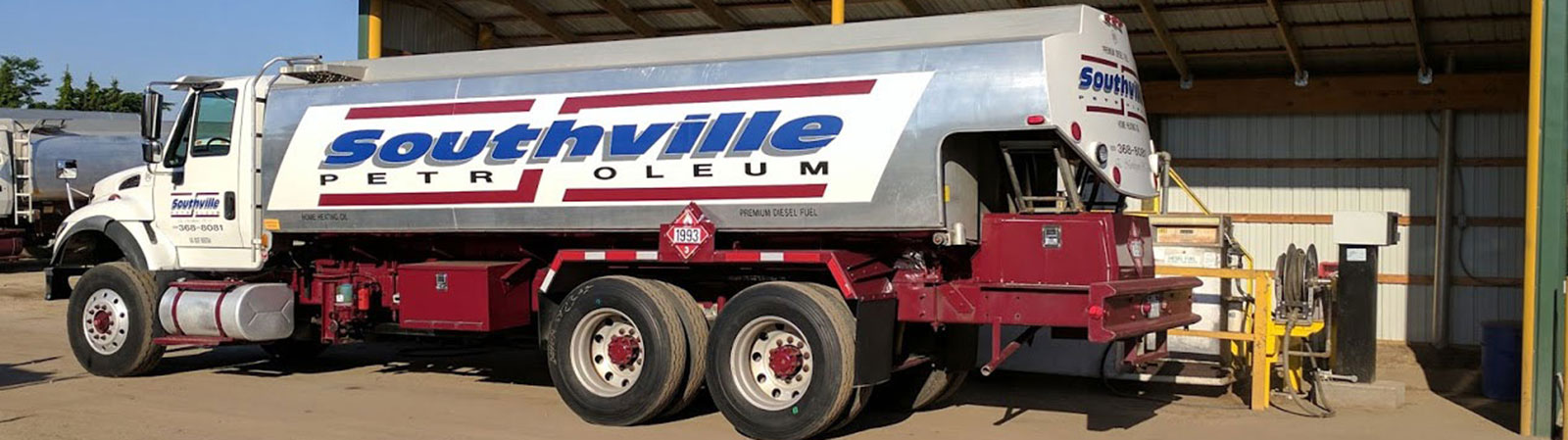
Southville supports businesses throughout Long Island with both clear and red-dyed diesel, along with delivery scheduling and fuel management solutions tailored to different industries—from construction and agriculture to transportation and manufacturing.
If you’re unsure which fuel your vehicles or equipment qualify for—or want to simplify fleet fueling—working with an experienced commercial fuel provider can help you build a system that keeps your business moving efficiently every day.
Serving Long Island for over 30 years, we provide both large and small fuel quantities to keep your vehicles running. Our team of experts can assess your unique fueling needs and help you set up efficient, well-scheduled fuel deliveries. We also offer fuel usage tracking to minimize waste and improve efficiency. If you’re looking to establish an on-site fueling station, we’re here to help you every step of the way.
We’re just a call away. Contact us to learn how we can make fueling your fleet easier. Reach out for more information today!